Engage in Meaningful Communication Across Differences
- Delivery: In-person
- Duration: 6 weeks
- Day of the week: Tuesdays
- Dates: September 9 – October 14, 2025
- Time: 6:30pm – 8:30pm
- Location: Room 400, Muzzo Family Alumni Hall, 121 St. Joseph St, Toronto
- Cost: $150
- Level of Interfaith Dialogue (for learners taking the Diploma in Interfaith Dialogue): Core Course
Course Overview
This foundational course provides a practical introduction to interfaith dialogue, equipping learners with tools to engage in meaningful conversations across religious and cultural differences. Learners will explore the four levels of dialogue — the dialogue of life, the dialogue of action, the dialogue of theological exchange, and the dialogue of religious experience. Emphasising real-world application, this course fosters skills in active listening, and conflict transformation. By the end of the course, you will more confidently navigate interfaith conversations, fostering understanding and collaboration in your communities and professional settings.
**SMCE3000 is the foundational course for the Diploma in Interfaith Dialogue. It is recommended that learners who wish to complete this Diploma program take this course first.
Micro Credential
Learners who successfully complete SMCE3000 will receive a micro credential for this course.
USMC CE is proud to offer micro-credentials—digital, verifiable credentials that you own and can share on your résumé, LinkedIn profile, and more. Micro-credentials are certifications of assessed learning that focus on specific, relevant skills and competencies. These programs are designed for professionals seeking rapid, practical training to meet today’s social and environmental challenges. Whether you’re advancing your career, or deepening your expertise, our micro-credentials deliver focused learning backed by real-world relevance, and academic excellence.
Method of Teaching
This course will be delivered in person on campus at the University of St. Michael’s College in the University of Toronto. Interactive discussions, case-based learning, and reflection will be used to practise the application of tools for effective interfaith dialogue practice.
Learning Outcomes
- Define interfaith dialogue and its significance in today’s world
- Identify and apply the four levels of interreligious dialogue
- Cultivate greater personal openness to, and tools for, interreligious dialogue and engagement, and communicating effectively across difference
- Practice dialogue techniques through structured exercises and real-world scenarios
- Reflect critically on lived examples of interreligious dialogue and collaboration in Canada, the Greater Toronto Area, and students’ own local contexts
- Create a personal or professional action plan for implementing interfaith dialogue skills
About the Instructor

Mia Theocharis is the director of advocacy, emerging campuses at Hillel Ontario, where she leads strategic initiatives to support Jewish students and allies on campuses without a formal Hillel presence. In this role, she develops student leadership pipelines, designs targeted programming, and works closely with university administrators and EDI offices to address student concerns. With nearly a decade of experience in higher education—as a researcher, educator, and advocate—she is deeply committed to bridging scholarly insight with real-world impact. Mia is also a PhD candidate in theological studies at the University of St. Michael’s College in the University of Toronto. Her research explores Jewish–Christian relations from the 19th to 21st centuries, with particular attention to antisemitism, the Holocaust, and the Second Vatican Council declaration Nostra aetate. Through historical methodology, critical analysis, and interdisciplinary inquiry, her work aims to confront antisemitism, foster interreligious and interideological understanding, and ensure the lessons of the past inform our present. Her dissertation, supported by a prestigious SSHRC Doctoral Fellowship, examines the development and influence of Canadian Catholic theologian Gregory Baum’s theological thought on Jewish–Christian relations in Canada and internationally. In the classroom, Mia cultivates inclusive spaces where students grapple with complex histories, reflect on their contemporary relevance, and engage in interfaith dialogue as a vital practice for understanding others as they understand themselves—grounded in empathy, humility, and intellectual integrity.
Questions?
Stay Connected
Registration for this program is now closed.
Subscribe to Our Mailing List
Please sign up for the latest news about our courses, programs, workshops, special lectures, and more.
An Exploration of Traditional Songs, Introduced Through the Gaelic Language
- Delivery: In-person
- Duration: 6 weeks
- Day of the week: Tuesdays
- Dates: September 9th to October 14th, 2025
- Time: 6:30-8:30 p.m.
- Location: Mary Ward Centre, 2nd Floor, Loretto College Residence (70 St. Mary St)
- Cost: $325 (includes HST)
Course Overview
This course will provide an introduction to speaking and singing in Gaelic, the Celtic language of Scotland. Students will learn pronunciation, basic vocabulary and useful phrases. Music is an effective tool for learning language. Each class will explore a different type of traditional song from Scotland’s rich Gaelic heritage.
Students will encounter a range of songs and styles and understand the cultural context behind them. Musical styles will include mouth music, waulking and other work songs, children’s and ceilidh songs, songs of love and loss, and traditional Gaelic psalm-singing.
Method of Teaching
Instruction will include a mix of lecture-style delivery of information on the history, sound patterns and musical genres in addition to opportunities for students to interact with each other to practice simple conversation exercises and participate in group singing. There will be in-class use of multimedia resources including audio and video recordings as well as printed text. While not required, self-directed study will be encouraged, with students practicing their singing and newly developed language skills or accessing on-line supports between sessions to reinforce learning. No prior knowledge of Gaelic or ability to read music are required.
Learning Outcomes
• Learn pronunciation and basic conversational phrases in Scottish Gaelic
• Explore several styles of traditional Gaelic music
• Learn and sing Gaelic songs in a supportive, communal setting
• Gain a deeper awareness of the interconnection between language and song
About the Instructor
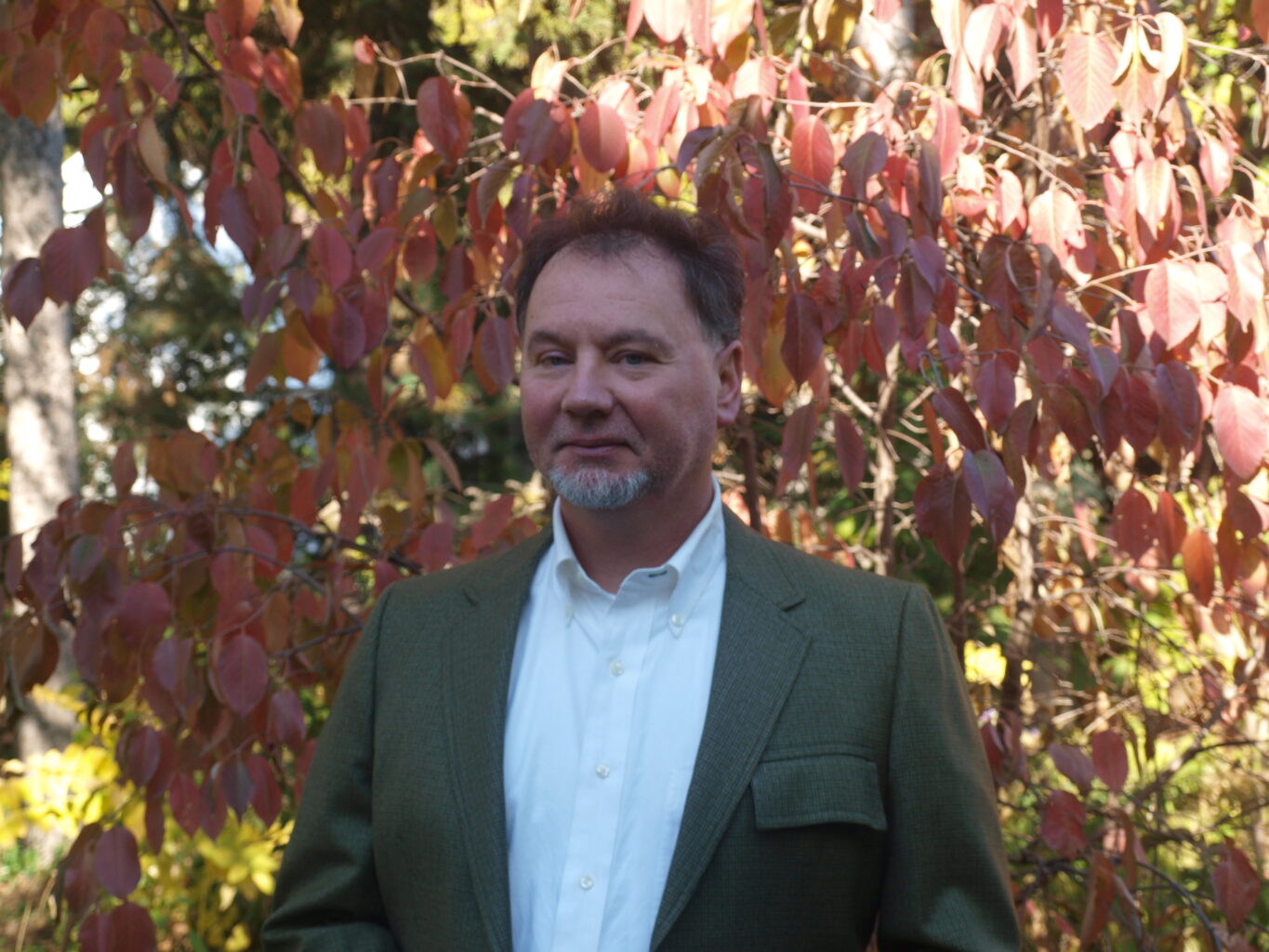
David Livingston-Lowe is an alumnus of the University of St. Michael’s College in the University of Toronto and a graduate of the Celtic Studies Program. David has a broad interest in the Celtic languages and has been teaching Gaelic for over thirty years. He studied Scottish Heritage at the University of the Highlands and Islands, Gaelic in the Isle of Skye and the Gaelic College in Cape Breton, as well as Irish in Donegal and Connemara. He has worked as a translator and language consultant in addition to teaching Gaelic and Scots language and literature at St. Mike’s.
Questions?
Stay Connected
Registration is now closed.
Subscribe to Our Mailing List
Please sign up for the latest news about our courses, programs, workshops, special lectures, and more.